Bonded to clear coat
A cured ceramic layer becomes part of the paint system, not a wax film sitting on top.
Los Angeles County - La Verne
Every La Verne coating starts with an honest inspection. If the paint isn't ready, we correct it first. If it's already flawless, we don't sell you correction you don't need.
Why La Verne owners choose it
A cured ceramic layer becomes part of the paint system, not a wax film sitting on top.
Critical in La Verne with hard tap water and heavy mineral load.
A coated car in a maintenance plan is the lowest-effort way to keep concours presentation.
Protected paint holds resale - private buyers notice a coated finish immediately.
The on-site process
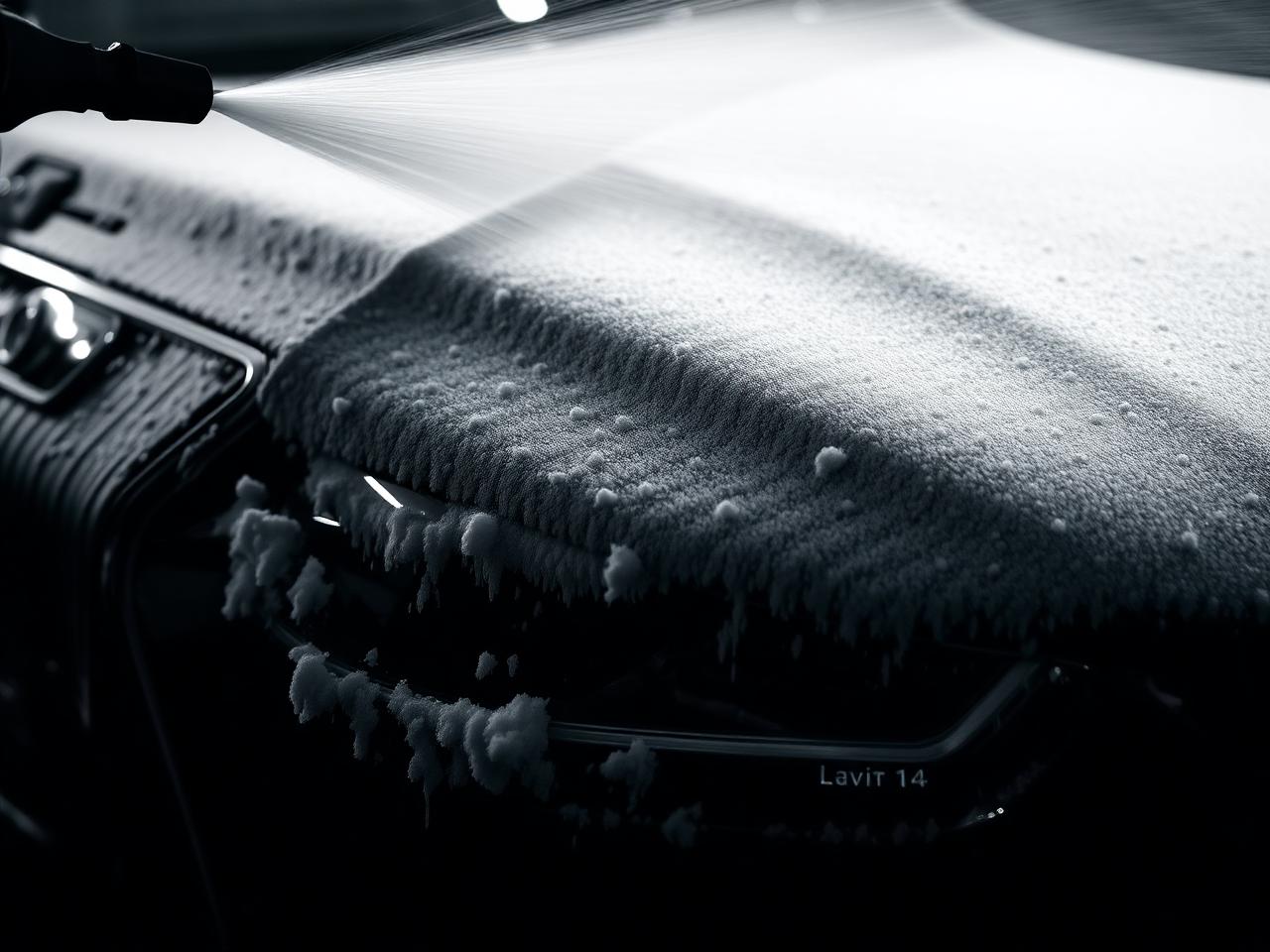
01
Loosen the La Verne-specific grime - foothill dust, brake fallout, and pollen.
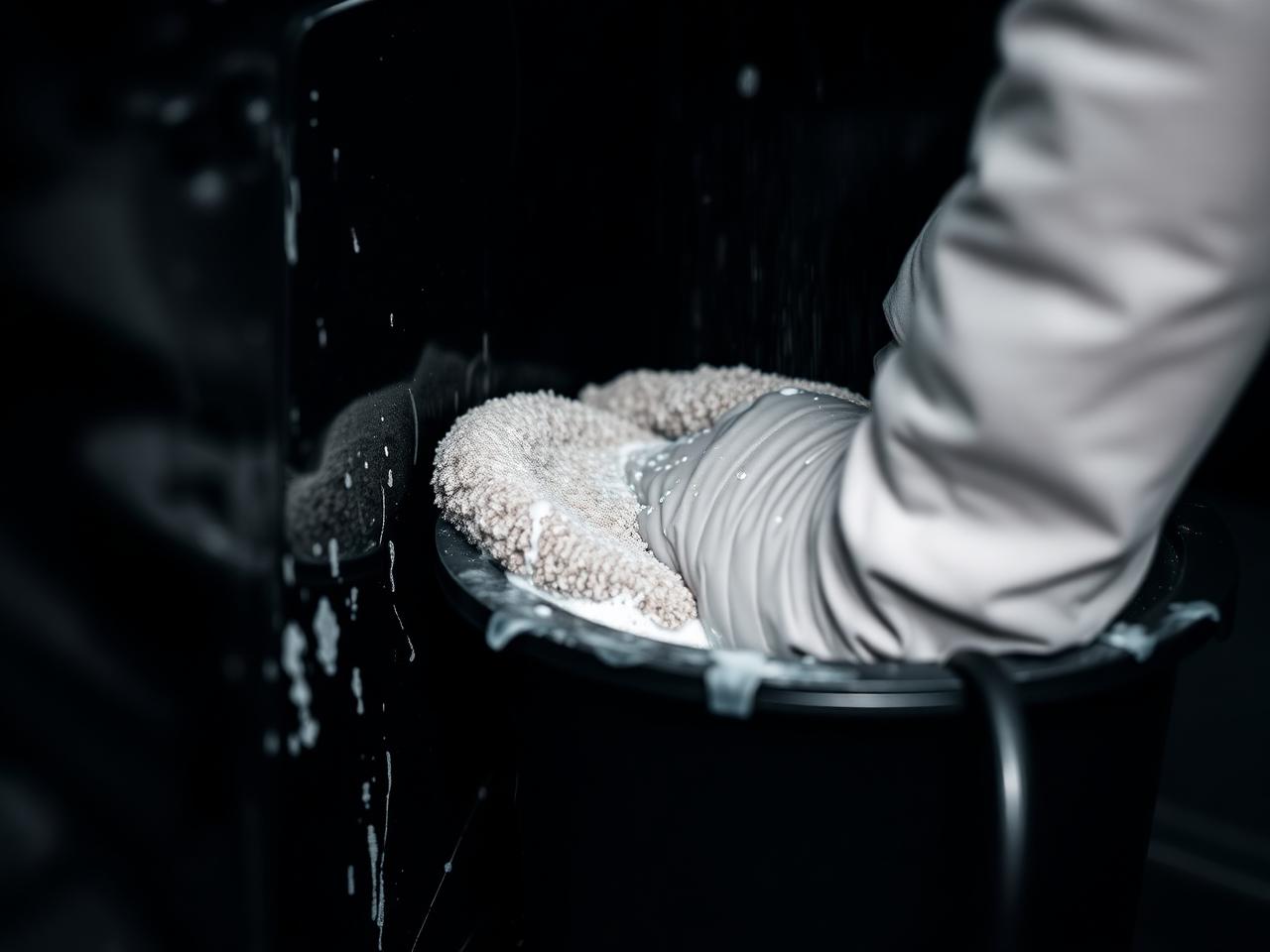
02
Grit guards, plush mitt, panel-at-a-time. No swirl-building drive-thru shortcuts.
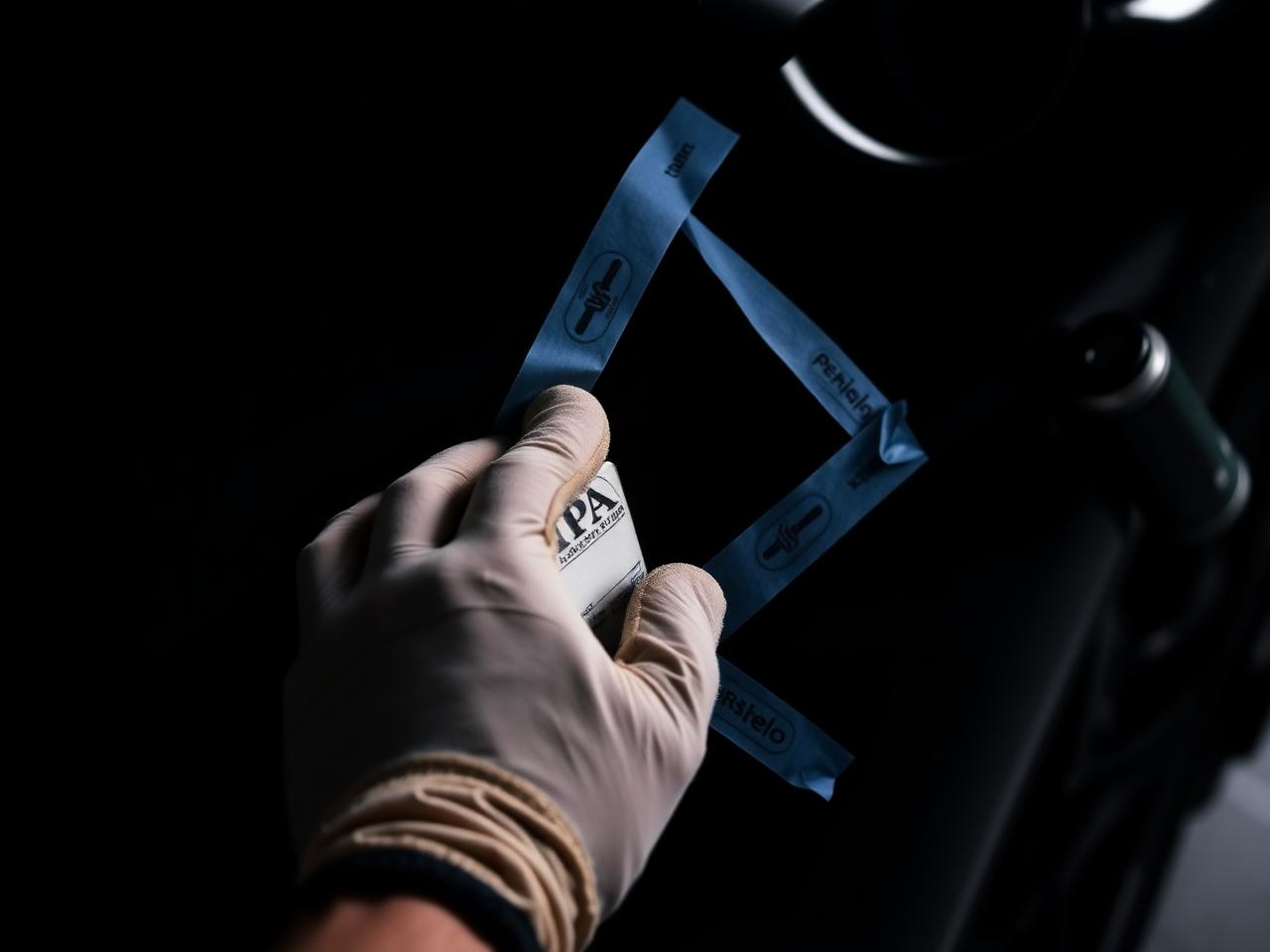
03
Iron decon, clay, IPA wipe, and tape masking around trim before any coating goes on.
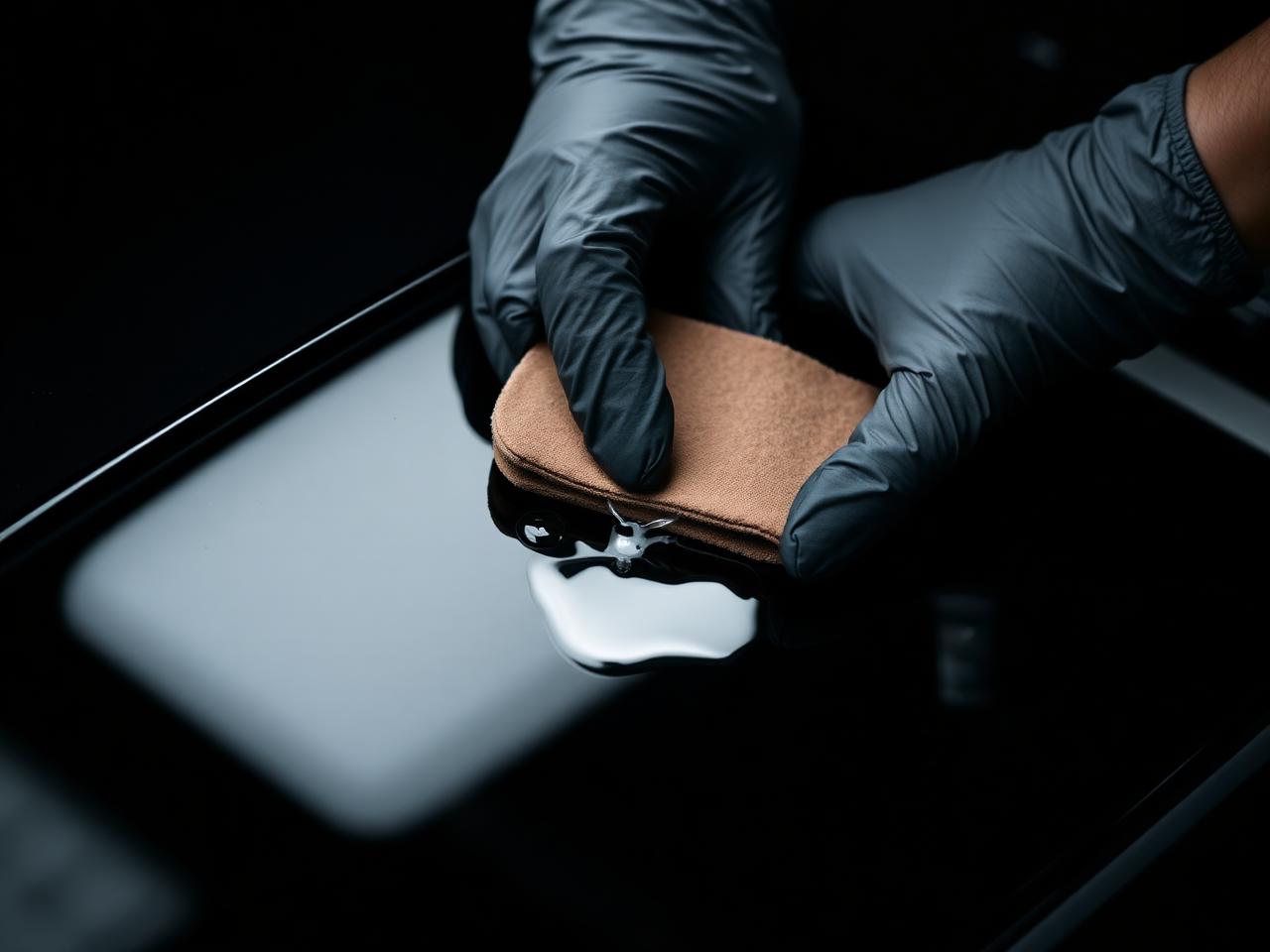
04
Ceramic application, cross-hatch leveling, and full cure before you touch it.
La Verne paint takes a lot from a full year of Inland Empire weather - UV load, mineral-heavy irrigation, tree sap, and long freeway commutes. A cured ceramic layer changes what stays on the surface and what bonds into the clear.
Our La Verne clients tend to keep their cars a long time. Coating is a decade-thinking decision, and we treat it that way: matched chemistry, proper cure, and a follow-up inspection at 30 days included.
Ready for a real ceramic quote in La Verne? Text us photos of the car, tell us the mileage, and we'll come back with an honest read on whether correction is needed before coating.
The full breakdown
A ceramic coating is a liquid-applied silica-based polymer (typically SiO2, with some formulations adding titanium dioxide or silicon carbide) that cross-links onto the clear coat and cures into a hard, semi-permanent layer. In La Verne that layer is doing three jobs at once: keeping mineral-laden irrigation water from etching the finish, slowing the UV oxidation that dulls unprotected clear during a long Inland Empire summer, and giving contamination like tree sap, bird droppings, and freeway fallout a lower-energy surface to sit on so it wipes off instead of bonding in.
It is not a wax, a spray sealant, or paint protection film. A wax lasts weeks. A sealant lasts months. A properly prepped and cured ceramic in La Verne carries a 3 to 7 year functional life depending on the product chemistry, the prep quality, and how the car is maintained. It is also not scratch-proof - nothing sprayed onto paint is scratch-proof - but it noticeably raises the effort required to inflict wash marring, which is the number-one source of swirl on daily-driven cars in Old Town La Verne, North La Verne, Live Oak Canyon.
The industry-wide truth nobody selling ceramic wants to lead with: the coating itself is maybe 30 percent of the result. The other 70 percent is prep. Coating installed over a swirled, contaminated, or oily surface bonds to that surface - meaning every defect you had going in is now sealed under a multi-year layer. That is why our La Verne process starts with a full decontamination wash before any correction discussion happens.
The decon sequence: pre-rinse to knock off loose debris, snow-foam dwell to lift bonded grime, two-bucket contact wash with a plush mitt and grit guards, iron dissolver spray to pull embedded brake dust and rail dust, and clay-mitt across every horizontal panel to shear off anything the chemistry left behind. Only after that do we pull out the paint depth gauge and start reading the clear.
La Verne's canyon roads are the kind of drives that make you love your car and hate your paint. Skipping any of these steps in La Verne - where hard tap water, foothill dust, and heavy freeway commute miles all compound - is how you end up with a coated car that looks worse in year two than an uncoated car does in year five.
Not every car needs full paint correction before coating. A newer vehicle with under 20,000 miles that has only ever been hand-washed can often go straight to a single-stage polish and coat. A La Verne daily that has seen five years of tunnel washes almost certainly needs at least a two-stage correction - compound to remove the defect, then finishing polish to remove the compound's own micro-marring, then IPA wipe to strip polishing oils so the coating can actually bond.
We measure clear coat thickness with a digital paint gauge before we recommend a correction stage, panel by panel. Modern factory clear runs 40 to 60 microns on most sedans, sometimes as thin as 30 microns on repainted panels. A one-stage correction removes roughly 2 to 3 microns; a two-stage removes 4 to 6; a three-stage on heavily oxidized single-stage paint can remove more. That math matters - take too much clear off a modern car once and there is no putting it back.
If a shop in La Verne does not measure paint depth before quoting correction, they are guessing with your clear coat. Full stop.
Ceramic goes on in small sections, cross-hatch pattern, with a suede or microfiber applicator. Each panel gets an application pass, a flash time of 30 seconds to several minutes depending on ambient temperature and the specific product, then a leveling wipe with a plush microfiber, then a second wipe with a fresh towel. Miss the leveling window and you get high spots - cured streaks in the coating that require polishing off and re-coating. This is where most driveway installs in La Verne fail.
Ambient temperature and humidity change flash times constantly. A coating that flashes in 45 seconds at 68°F in an Alta Loma garage will flash in 15 seconds on a 95°F driveway in Old Town La Verne, North La Verne, Live Oak Canyon. We manage that by working in shade, running IR heaters or fans as needed, and never coating more than a two-foot square section at a time in summer heat. The coating then needs 24 to 48 hours of dry cure before the car sees water and 5 to 7 days before it sees rain, sprinklers, or automatic washes.
The first month is the honeymoon. Water beads tight and rolls off. Dirt rinses instead of scrubbing. Bugs wipe off without adhesive residue. That behavior is real, and it is what a coated car should do - but it is also not the entire value proposition. The real value shows up at month 24, month 36, month 48, when the paint on your La Verne car still looks like the paint on a two-year-old car instead of a five-year-old car.
We include a 30-day follow-up inspection on every coating we install in La Verne. Bring the car back, we look for any high spots we missed under different lighting, we do a maintenance decontamination wash, and we confirm the hydrophobic behavior is where it should be. If anything is off, we correct it on the spot at no charge. That is the difference between a coating job and a coating relationship.
A ceramic coating is not a set-it-and-forget-it product. It is a maintenance-multiplier - it makes the right maintenance routine easier and much more effective, but it does not eliminate maintenance. In La Verne that routine looks like: contact wash every 2 to 4 weeks using pH-neutral ceramic-safe shampoo, dedicated ceramic-safe drying towel or filtered blower, and a spray topper every 3 to 4 washes to boost hydrophobic behavior.
Things that shorten coating life in La Verne: automatic tunnel washes with harsh alkaline pre-soak (kills hydrophobic release within months), letting bird droppings or bug guts dwell in summer sun (permanently etches the coating), and using off-the-shelf all-purpose cleaner on the coated paint (strips the top layer). Things that extend coating life: hand washing, garage parking when possible in Old Town La Verne, North La Verne, Live Oak Canyon, spray topper on schedule, and a professional decontamination wash every 6 to 12 months.
Our maintenance plan clients in La Verne keep a coating performing at close to install-day levels through year 3, year 4, sometimes year 5 depending on the product. Cars without a maintenance routine tend to lose meaningful hydrophobic release around month 18, even though the underlying protection is still doing its UV and chemical resistance job.
Hard water. Inland Empire municipal water is heavy on calcium and magnesium. Sprinkler overspray in Old Town La Verne, North La Verne, Live Oak Canyon and rinse-drying on a hot driveway are the two fastest ways to etch mineral spots into unprotected clear. A ceramic coating raises the surface energy enough that the water beads and blows off cleanly instead of sheeting, sitting, and drying to a spot.
UV load. La Verne summers put unprotected clear coat under intense UV for months at a time. Oxidation is the slow-motion result - clear coat molecules break down, gloss reads flat, color fades under the clear. Ceramic coatings block a meaningful portion of UV at the coating layer instead of at the clear.
Contamination. Foothill dust, freeway brake fallout off the 210, tree sap in older Old Town La Verne, North La Verne, Live Oak Canyon, and bird activity around parking structures all bond faster and harder to unprotected clear than to coated clear. On a coated car, most of that wipes off during a normal wash. On an uncoated car, it becomes a decon-and-correction project every few years.
"Rock chips filled, headlights restored, coated everywhere. Truck looks a decade younger."
Maintenance Membership
Most vehicles lose their shine because care is inconsistent. Our members get scheduled, priority service with locked-in pricing.
Reserved recurring windows so your maintenance always lands on the calendar.
Predictable member rates that never shift with seasons or demand.
Methods and products built to preserve coatings, not strip them.
Routine upkeep that prevents the heavy reset detail later.
Other services in La Verne
Swirls, marring, and oxidation - measured out, panel by panel.
Full concierge interior + exterior, self-contained on-site.
Nearby cities